

The modern landscape of adult content has shifted dramatically over the past decade, with one of the most noticeable evolutions being the way we experience it as spectators. The angle from which we watch has become as crucial as the content itself, shaping immersion, privacy, and even the psychological impact of the material. Whether you’re exploring mainstream adult content or niche genres, understanding these perspectives can transform how you engage with the material, balancing realism, intimacy, and personal discretion. The right spectator angle isn’t just about what you see, it’s about how you see it, and the unintended consequences that come with each choice.
The Classic Over-the-Shoulder View: A Balancing Act of Intimacy and Distance
The over-the-shoulder (OTS) angle remains the gold standard for adult content, offering a first-person perspective that immerses the spectator in the scene. This approach mimics the way we naturally observe intimacy in real life, creating a sense of being an unseen participant rather than a detached observer. The OTS shot, however, demands careful framing to avoid awkwardness or misalignment, when done poorly, it can make the performers look stiff or the camera feel intrusive. Studios like Reality Kings and Brazzers have perfected this angle by using dynamic movement and subtle editing to keep the spectator engaged without drawing attention to the camera itself. The trade-off is that OTS shots can sometimes feel less spontaneous, as performers must adjust to the camera’s presence, which may slightly alter their natural chemistry. For those who prioritize realism over raw spontaneity, this angle strikes a balance, but it’s not without its limitations when compared to more candid perspectives.
One of the key advantages of the OTS angle in adult content is its versatility. It works exceptionally well in scenes requiring emotional connection, such as slow-burn seduction or intimate dialogue-heavy sequences. Performers can fully commit to their roles without the distraction of a front-facing camera, allowing the audience to focus on the interaction rather than the technical execution. However, this angle isn’t without its critics, some argue that the spectator’s immersion comes at the cost of authenticity, as the performers are inherently aware of being recorded. The best OTS shots, like those in high-budget productions from studios such as Girlfriends Films, blend technical precision with organic performance to create a seamless experience. For viewers who crave a sense of being “in the room,” this approach is often the most satisfying, though it requires patience to avoid the pitfalls of overly staged performances.
Front-Facing Cameras: The Raw and Unfiltered Experience
Front-facing cameras have surged in popularity, particularly in amateur and independent adult content, where they offer unfiltered, unscripted realism. This angle strips away the illusion of privacy, forcing both performers and spectators to confront the raw, unmediated nature of the material. The rise of platforms like OnlyFans and amateur sites has made front-facing content a staple, as it aligns with the growing demand for authenticity over polished production. Performers often embrace this perspective because it feels more genuine, allowing them to react spontaneously without the constraints of a hidden camera. For spectators, the lack of distance can be intensely engaging, but it also requires a higher tolerance for imperfections, think uneven lighting, less-than-flawless performances, or the occasional awkward moment. This angle thrives in scenes where spontaneity is the goal, such as unscripted encounters or casual encounters in public spaces, where the unpredictability adds to the allure.
The psychological impact of front-facing adult content is significant. Studies on adult media consumption suggest that this perspective can heighten the spectator’s sense of connection to the performers, as if they’re sharing a private moment rather than watching a staged performance. However, this closeness can also make the material feel more invasive, especially for those who prefer a layer of detachment. The lack of a “third eye” perspective means there’s no buffer between the spectator and the performers, which can be both a strength and a weakness. For example, a front-facing shot in a scene involving multiple partners might feel overwhelmingly intimate, while the same shot in a more restrained, dialogue-driven segment could enhance emotional intimacy. The key to mastering this angle lies in balancing authenticity with the spectator’s comfort level, some content is better suited to this perspective, while other scenarios benefit from a more distanced approach.
Third-Person Wide Shots: The Director’s Eye and Its Spectator Implications
Third-person wide shots, often used in narrative-driven adult content, provide a broader context that can enrich the storytelling while maintaining a sense of detachment. This angle is particularly effective in scenes where the focus shifts from the performers to the environment, such as in BDSM playrooms, outdoor encounters, or scenes with multiple participants. The wide shot allows the spectator to take in the entire scene, understanding the dynamics between characters without the intimacy of a closer perspective. Studios like BangBros and Wicked use this angle to create a cinematic feel, framing the content like a feature film rather than a straightforward pornographic sequence. For viewers who enjoy analyzing relationships or power dynamics, this perspective offers a more analytical experience, but it can sometimes feel less engaging for those who prefer a more immediate, visceral connection to the material. The trade-off is clear: wide shots prioritize narrative depth over emotional immediacy, making them ideal for educational or thematic content rather than pure arousal.
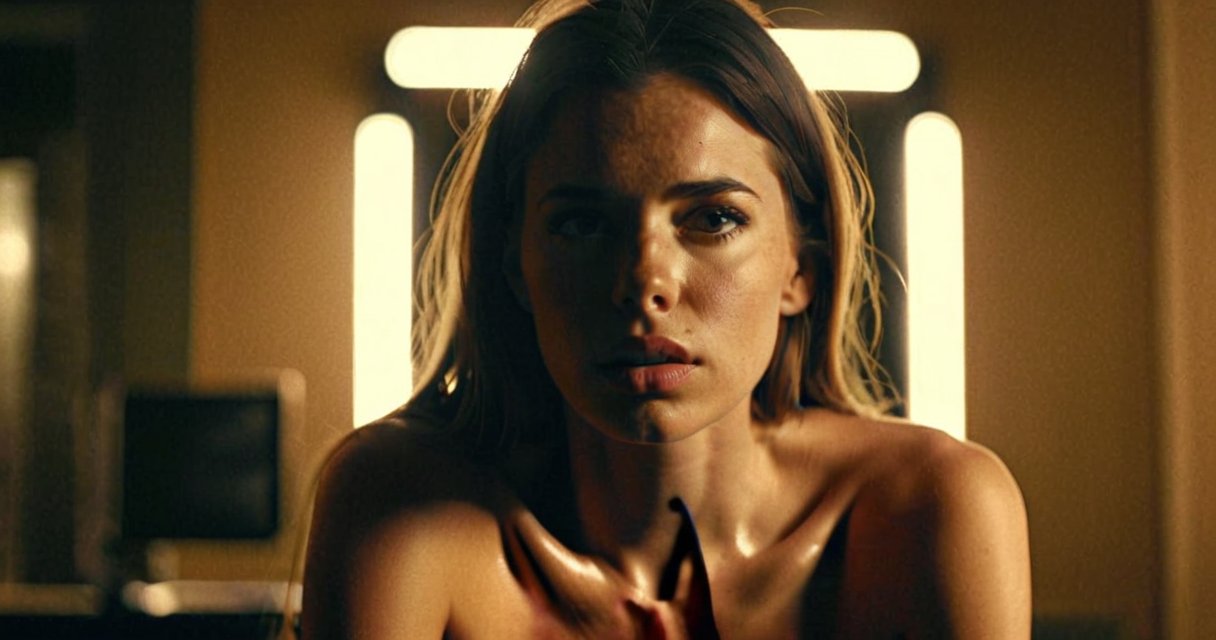
The third-person angle also plays a crucial role in scenes where the spectator’s focus should remain on the interaction rather than the physical act itself. For instance, in a scene involving verbal seduction or psychological manipulation, a wide shot can highlight the performers’ expressions and body language without distracting the audience with close-ups of the action. This approach is commonly used in adult content that blends eroticism with drama, such as the work of studios like Elegant Angel, which often incorporates storytelling elements into their productions. However, this perspective isn’t without its challenges, if the camera lingers too long on a less interesting part of the scene, the spectator’s engagement may wane. The best third-person shots strike a balance, using movement and framing to keep the audience’s attention on the most relevant elements without losing sight of the overall context. For those who enjoy adult content as a form of entertainment with depth, this angle can be incredibly rewarding, though it requires a different kind of patience than the more immediate OTS or front-facing approaches.
The Over-the-Shoulder vs. Front-Facing Debate: When to Choose Each
Deciding between an over-the-shoulder and a front-facing perspective often comes down to the spectator’s preferences for immersion versus authenticity. The OTS angle excels in scenarios where the goal is to create a sense of being present, such as in slow-burn seduction or intimate dialogue scenes. It’s the preferred choice for content that prioritizes emotional connection and realism, as it allows the performers to engage naturally without the distraction of a camera in their line of sight. However, this angle can feel less spontaneous, as performers must adapt to the camera’s presence, which may slightly alter their chemistry. Front-facing cameras, on the other hand, offer unfiltered realism, making them ideal for scenes where spontaneity is key, think unscripted encounters, casual hookups, or amateur content. The downside is that this perspective can feel overwhelmingly intimate, which may not suit every viewer’s comfort level. For those who enjoy a mix of both, some productions cleverly alternate between angles to keep the experience dynamic, such as starting with a front-facing shot to establish authenticity before switching to OTS for a more immersive climax.
The choice between these angles also depends on the content’s genre and the intended audience. For example, BDSM content often benefits from a third-person perspective to highlight the dynamics between dominants and submissives without the distraction of a close-up. Meanwhile, solo performances or amateur content frequently rely on front-facing shots to capture the raw, unfiltered experience. The key is to match the angle to the scene’s needs, if the goal is emotional engagement, OTS or wide shots may be better, while raw authenticity might call for a front-facing approach. Some spectators even prefer to watch a mix of angles in the same scene, using the OTS for intimacy and the front-facing for a more direct connection. Ultimately, the best angle depends on what the spectator is looking for: immersion, realism, or a blend of both.
The Rise of “Spectator-Friendly” Angles: Customization and Control
The modern adult content landscape has seen a shift toward spectator-friendly angles, where the viewer has more control over the perspective. This trend is driven by the rise of interactive platforms, where users can adjust the camera angle in real time or choose between multiple perspectives during a scene. For example, some adult websites now offer side-by-side comparisons of OTS and front-facing shots, allowing the spectator to switch between angles seamlessly. This level of customization caters to diverse preferences, whether someone wants the intimacy of OTS or the raw honesty of a front-facing view. The technology behind these features has advanced significantly, with some platforms using AI to dynamically adjust angles based on the spectator’s viewing habits. While this innovation enhances the experience for tech-savvy users, it also raises questions about privacy and personalization, how much control should the spectator have over the material they’re consuming? For those who value discretion, the ability to switch angles on the fly can be a game-changer, as it allows them to adjust the intensity of the experience without leaving the site.
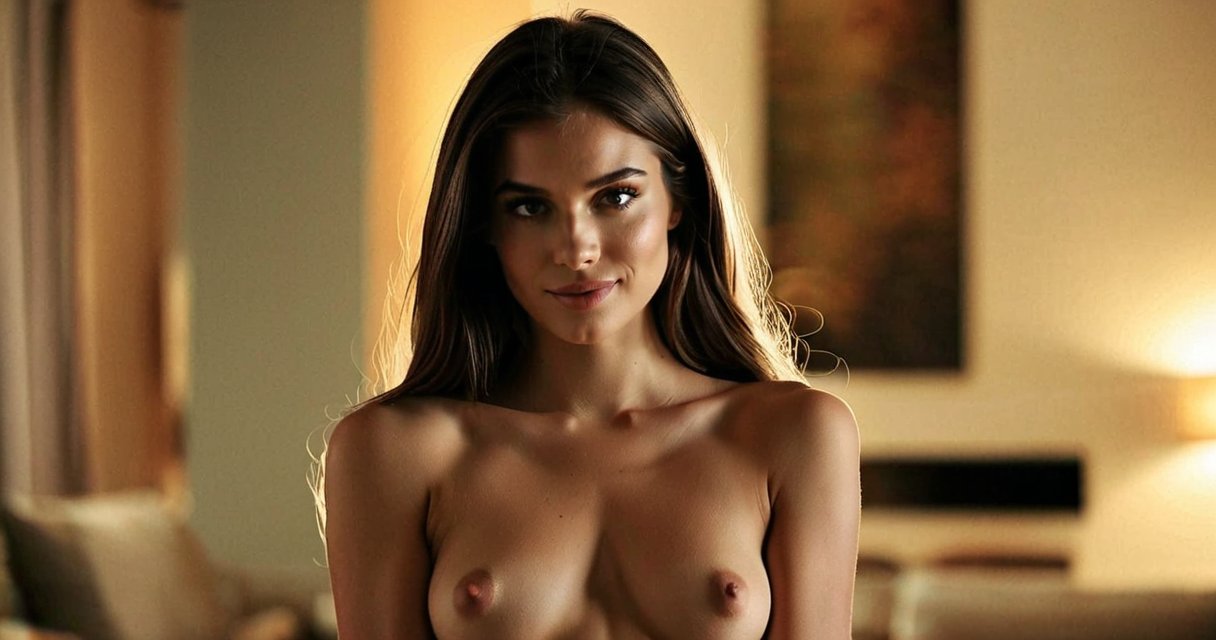
Another spectator-friendly angle is the use of “split-screen” or “multi-angle” content, where multiple cameras capture the same scene from different perspectives simultaneously. This approach is particularly popular in group scenes or performances involving multiple participants, as it gives the spectator a comprehensive view of the action. For instance, a split-screen layout might show one angle focused on the performers’ faces while another captures the physical act from a different perspective. This method is commonly used in mainstream adult content to maximize engagement, as it caters to viewers who enjoy both emotional and physical stimulation. However, it can also be overwhelming for those who prefer a more focused experience. The best split-screen content strikes a balance, using angles that complement each other rather than competing for attention. For spectators who enjoy variety, this approach can be incredibly satisfying, though it requires careful editing to avoid visual clutter. The trend toward customizable angles reflects a broader shift in adult content toward putting the spectator’s experience first, with more options than ever before.
Psychological Impact: How Spectator Angles Shape Desire and Satisfaction
The psychological effects of spectator angles in adult content are profound, influencing not only arousal but also the spectator’s emotional and cognitive response. Research in adult media consumption suggests that the OTS angle can heighten feelings of intimacy and connection, as it mimics the way we naturally observe private moments in real life. This perspective can make the spectator feel like an unseen participant, which may enhance the emotional impact of the content. In contrast, front-facing shots can create a sense of immediacy and directness, as if the spectator is sharing a private moment with the performers. This closeness can be intensely stimulating but may also feel more invasive for those who prefer a layer of detachment. The psychological dynamics at play are complex, some spectators may find front-facing content more arousing due to its raw honesty, while others may prefer the safety of a more distanced perspective. The choice of angle can also influence the spectator’s post-viewing satisfaction, with those who feel a stronger emotional connection to the performers reporting higher levels of fulfillment.
The spectator’s psychological response to adult content is further shaped by the angle’s level of realism. Front-facing shots, for example, often feel more authentic because they lack the artifice of a hidden camera, which can make the material feel more spontaneous and genuine. However, this authenticity can also lead to discomfort for those who are sensitive to the performers’ awareness of being recorded. The OTS angle, while more staged, can create a sense of immersion that feels more controlled and less intrusive. This balance between realism and comfort is crucial, studios that understand these psychological nuances often tailor their content to different spectator preferences. For instance, a performer might use a front-facing shot in a casual, unscripted scene but switch to OTS for a more intimate, scripted moment. The spectator’s ability to navigate these angles effectively can significantly enhance their overall experience, making the choice of perspective as important as the content itself. Understanding these psychological dynamics can help spectators choose angles that align with their desires and comfort levels, ensuring a more satisfying viewing experience.

I have spent years exploring the diverse landscape of adult entertainment, always looking for content that prioritizes authentic chemistry and artistic direction. I write about the industry to help others find material that respects both the viewer and the performers. My focus is on quality, inclusivity, and the changing culture of adult media.