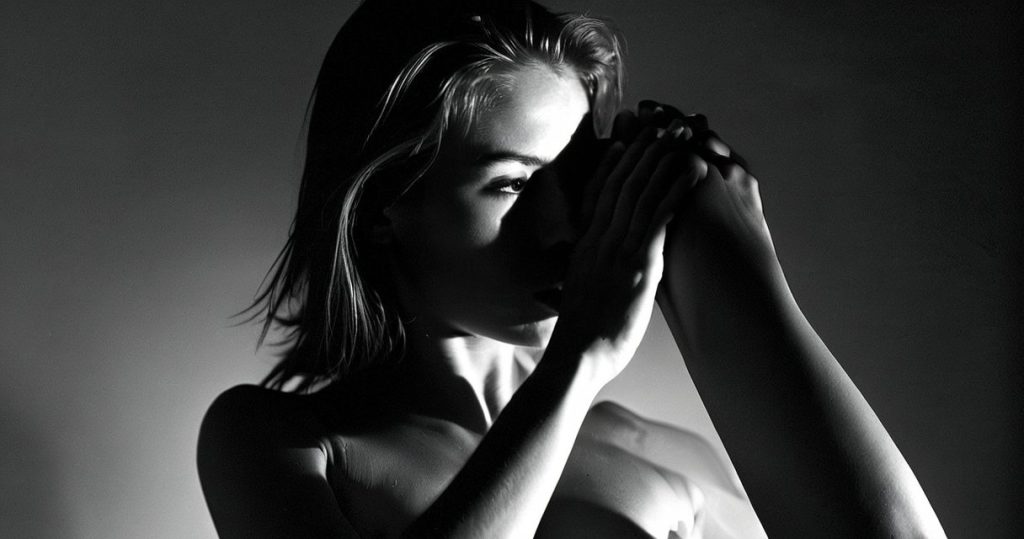
The stark interplay between black and white in visual media isn’t just about aesthetics, it’s a deliberate tool that shapes how intimacy, tension, and desire are perceived in adult content. When lighting, shadows, and contrasts are carefully balanced, they can amplify the raw emotional and physical intensity of a scene, making the viewer’s experience more immersive. This isn’t just about making skin tones stand out; it’s about crafting a visual language where shadows become promises of what’s hidden, and highlights reveal the most vulnerable moments. In adult media, where every frame is designed to evoke a response, the contrast between black and white isn’t passive, it’s an active force that dictates mood, pacing, and even the psychological pull of the content.
The Psychological Pull of High-Contrast Lighting
High-contrast lighting, where deep blacks clash with brilliant whites, isn’t just visually striking, it triggers a physiological response in the viewer, black white. Studies on color psychology show that stark contrasts like these can heighten arousal by creating a sense of tension and anticipation. In adult content, this translates to scenes where the subject’s skin glows against a dark background, making every curve and shadow feel deliberate and charged. The brain processes these contrasts as more intense, almost as if the viewer is being pulled into a world where nothing is left to chance. When a performer’s body is bathed in dramatic backlighting, the result isn’t just a pretty picture, it’s a visual cue that the scene is about to escalate, whether through movement, touch, or a shift in atmosphere. The contrast doesn’t just highlight the subject; it makes the viewer’s own imagination fill in the gaps, creating a more personal and engaging experience.
This effect isn’t limited to traditional lighting setups. Many modern productions use selective blackouts, where only certain areas of the frame are illuminated, to create pockets of focus. For example, a single spotlight on a performer’s face while the rest of the scene remains in shadow doesn’t just draw attention, it creates a psychological barrier. The viewer’s gaze is forced to linger on the illuminated subject, making the moment feel more intimate and deliberate. This technique is particularly effective in scenes where vulnerability is key, as the contrast between light and dark can make the performer’s expressions feel more raw and unfiltered. It’s not about obscuring; it’s about directing the viewer’s attention where it matters most, so they don’t miss a single detail.
The psychological impact of black and white contrasts extends beyond just arousal. In adult content, these contrasts can also be used to create a sense of mystery or anticipation. For instance, a performer partially obscured by shadow while their hands or lips are lit up can make the viewer’s curiosity peak before the scene even unfolds. This isn’t just about visual appeal, it’s about controlling the pacing of the viewer’s experience. By strategically using contrast, creators can make the audience feel like they’re uncovering something, rather than being handed a fully formed scene. The result is a more dynamic and engaging watch, where the viewer’s own imagination plays a role in shaping the experience.
How Black and White Contrasts Shape the Narrative Flow
In adult content, lighting isn’t just about aesthetics, it’s a narrative tool. The way black and white contrasts are used can dictate the rhythm of a scene, from slow burns to explosive releases. For example, a scene that starts with soft, diffused lighting and gradually introduces deeper shadows and harder edges can build tension over time. The contrast isn’t static; it evolves with the scene, mirroring the emotional arc of the performers. When a performer moves from a well-lit area into shadow, it signals a shift in the scene’s dynamics, whether it’s a transition from foreplay to penetration or a shift from intimacy to dominance. The contrast isn’t just visual, it’s a storyteller’s device that guides the viewer’s emotional journey.
This is where the art of framing comes into play. A tight close-up with high contrast can make a single breath or a flicker of an eye feel like a full emotional beat. Conversely, a wide shot with deep shadows can make the viewer feel like they’re part of a larger, more immersive world. The key is in the balance, too much contrast can feel harsh or unnatural, while too little can make the scene feel flat. The best productions use contrast to highlight the most important moments, whether it’s a performer’s reaction to touch or the way their body responds to pleasure. It’s not about overwhelming the viewer; it’s about making sure they see exactly what the creator wants them to see, when they want them to see it.
Another way contrast shapes narrative flow is through the use of selective focus. By keeping the subject sharply lit while the background dissolves into darkness, creators can isolate the viewer’s attention on the performer’s expressions and movements. This technique is especially powerful in scenes where dialogue or subtle cues are crucial. When the viewer’s gaze is locked onto the performer’s face, even the smallest reactions, like a flutter of eyelashes or a tense jaw, become amplified. The contrast doesn’t just highlight the subject; it makes the entire scene feel more intentional and deliberate. It’s not about distraction; it’s about focus, and in adult content, focus is everything.
The Role of Black and White in Highlighting Skin and Texture
Skin tones are one of the most critical elements in adult content, and black and white contrasts play a huge role in making them pop. When a performer’s skin is lit from behind or from below, the contrast between their flesh and the surrounding darkness creates a three-dimensional effect that makes their body appear more tactile and real. This isn’t just about making them look better, it’s about making the viewer feel like they can reach out and touch them. The way light and shadow interact with skin creates depth, highlighting curves, muscles, and even the smallest details like freckles or veins. In a world where digital enhancements can make skin look unrealistically smooth, high-contrast lighting brings a sense of authenticity that resonates with viewers.
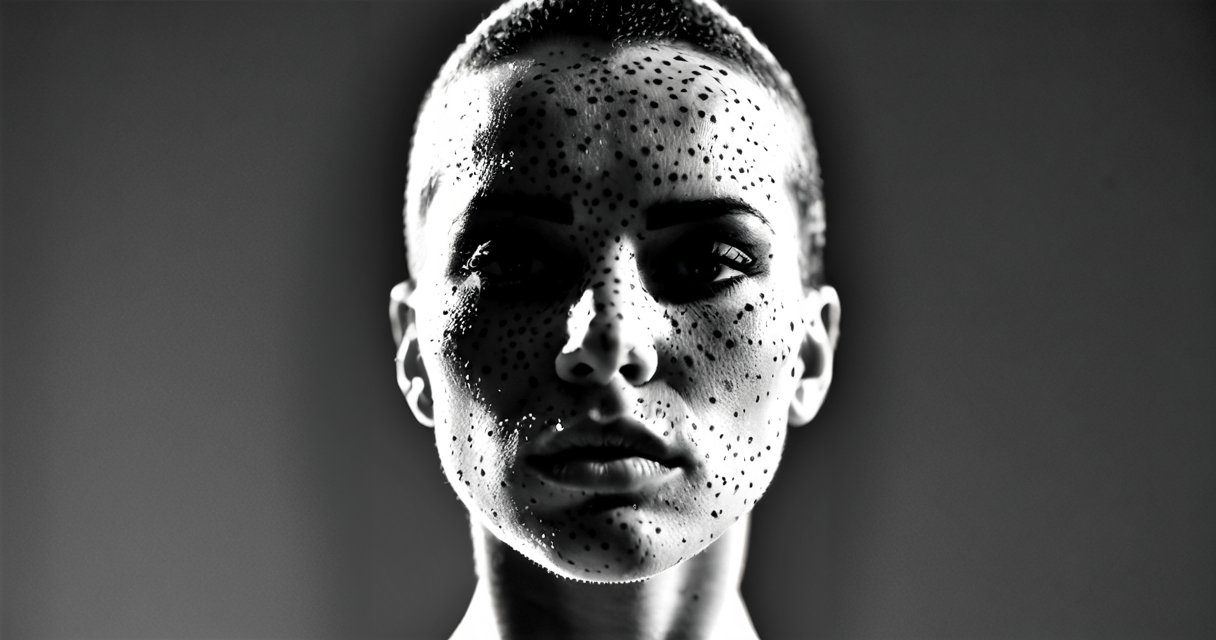
The texture of skin is another area where contrast makes a difference. When a performer’s body is lit in a way that accentuates their pores, sweat, or even the slight sheen of moisture, the viewer’s perception of realism is heightened. This isn’t about hyper-realism; it’s about creating a sense of lived-in intimacy. The contrast between the performer’s skin and the dark background makes their body feel more present, almost as if the viewer is in the room with them. It’s a subtle but powerful effect that can make the difference between a scene that feels staged and one that feels real. The best lighting doesn’t hide imperfections, it makes them part of the story.
This effect isn’t limited to performers’ bodies. Even small details, like the way a performer’s hair catches the light or the way their clothing drapes, can be enhanced by contrast. When a strand of hair is lit against a dark background, it becomes a focal point that draws the viewer’s eye. Similarly, the way a garment clings to the body or pools around the feet can be made more striking through strategic lighting. The contrast doesn’t just highlight the performer; it makes the entire scene feel more dynamic and engaging. It’s not about covering up; it’s about making sure every element of the frame serves the story being told.
When Black and White Contrasts Go Too Far
While high contrast can be a powerful tool, there’s such a thing as overdoing it. When shadows become too deep or highlights lose their subtlety, the result can feel unnatural or even jarring. In adult content, this often manifests as scenes where the performer’s face is so brightly lit that their features look washed out, or where their body is swallowed by darkness, making them appear almost ghostly. This isn’t about creating mood, it’s about creating visual noise that distracts from the scene’s intent. The key is balance; contrast should enhance the content, not dominate it. When lighting feels harsh or unnatural, it can pull the viewer out of the experience, making them focus on the technical execution rather than the emotional or physical story being told.
Another pitfall is using contrast in a way that feels inconsistent. For example, a scene that starts with soft, diffused lighting and then suddenly shifts to harsh, directional shadows can feel disjointed. The viewer’s brain expects a certain level of visual cohesion, and when that’s broken, it can disrupt the flow of the scene. This isn’t about being predictable; it’s about maintaining a sense of harmony. The best lighting setups evolve naturally with the scene, so the contrast feels like a part of the story rather than an afterthought. When contrast is used thoughtfully, it becomes an invisible force that guides the viewer’s experience, when it’s used carelessly, it can feel like a gimmick.
The same goes for color temperature. While black and white contrasts are often associated with monochrome, the use of warm and cool tones within a scene can also affect how contrast is perceived. For instance, a performer lit with warm, golden tones against a cool, blue background can create a striking contrast that feels more organic than a stark black-and-white divide. This isn’t about avoiding contrast; it’s about using it in a way that feels natural and intentional. The goal isn’t to create a scene that looks like a painting, it’s to create one that feels real and immersive. When contrast is used thoughtfully, it becomes a tool for storytelling; when it’s used recklessly, it becomes a distraction.
The Evolution of Black and White Contrasts in Digital Adult Content
The rise of digital editing has given creators more control over black and white contrasts than ever before. While traditional film required careful lighting setups and chemical processing, digital production allows for real-time adjustments, color grading, and even post-processing enhancements that can fine-tune contrast to perfection. This means that scenes can be lit in a way that feels natural on set, then refined in post to achieve the exact level of contrast the creator wants. For example, a performer’s skin might be lit softly during filming, but in post, the shadows can be deepened and the highlights brightened to create a more dramatic effect. This flexibility has opened up new possibilities for how contrast can be used to shape a scene’s mood and pacing.

Digital tools also allow for more experimental approaches to contrast. Techniques like high-contrast monochrome filters, selective blackouts, and even animated lighting effects can be applied in post to create unique visual styles. For instance, a scene that starts in full color and gradually shifts to black and white can signal a shift in tone or intensity. This isn’t about gimmicks; it’s about using technology to enhance the storytelling. The best digital productions use contrast in a way that feels intentional and purposeful, rather than forced or artificial. It’s about pushing the boundaries of what’s possible while still keeping the viewer engaged and immersed.
However, this evolution hasn’t come without challenges. The ease of digital editing can sometimes lead to over-editing, where contrast is manipulated to the point where the scene feels unnatural or unrealistic. This is particularly true in scenes where performers are digitally enhanced or their features are exaggerated. The key is to strike a balance, using digital tools to enhance the scene without losing the sense of realism that makes adult content feel authentic. When contrast is used thoughtfully, it can make a scene feel more dynamic and engaging; when it’s used carelessly, it can make the scene feel like a cheap trick. The best creators understand that contrast is a tool, not an end in itself.
Case Studies: How Top Creators Use Black and White Contrasts
Looking at some of the most successful adult creators, it’s clear that black and white contrasts are a cornerstone of their style. For example, many performers who specialize in high-intensity scenes use dramatic backlighting to create a sense of depth and separation. When a performer’s body is lit from behind, their silhouette becomes a focal point, drawing the viewer’s eye to their shape and movement. This technique is particularly effective in scenes where the performer’s body is the main subject, as it makes their form feel more three-dimensional and tactile. The contrast isn’t just about making them look good, it’s about making them feel present in a way that’s hard to ignore.
Another example is the use of selective focus in close-up shots. Creators who specialize in facial expressions often use high-contrast lighting to highlight the performer’s eyes, lips, or jawline. By keeping these areas sharply lit while the rest of the scene fades into shadow, they create a sense of intimacy that makes the viewer feel like they’re sharing a private moment. This isn’t about hiding the rest of the scene; it’s about making sure the viewer sees exactly what the creator wants them to see. The contrast doesn’t just highlight the performer’s features, it makes the entire scene feel more deliberate and intentional.
Finally, there’s the use of contrast in narrative-driven scenes. Creators who tell stories through their content often use lighting to signal shifts in mood or tone. For instance, a scene that starts with soft, diffused lighting and gradually introduces deeper shadows can signal a shift from foreplay to penetration. The contrast isn’t just a visual effect, it’s a narrative device that guides the viewer’s emotional journey. When used thoughtfully, it can make the difference between a scene that feels flat and one that feels dynamic and engaging. The best creators understand that contrast isn’t just about aesthetics; it’s about storytelling.

I have spent years exploring the diverse landscape of adult entertainment, always looking for content that prioritizes authentic chemistry and artistic direction. I write about the industry to help others find material that respects both the viewer and the performers. My focus is on quality, inclusivity, and the changing culture of adult media.