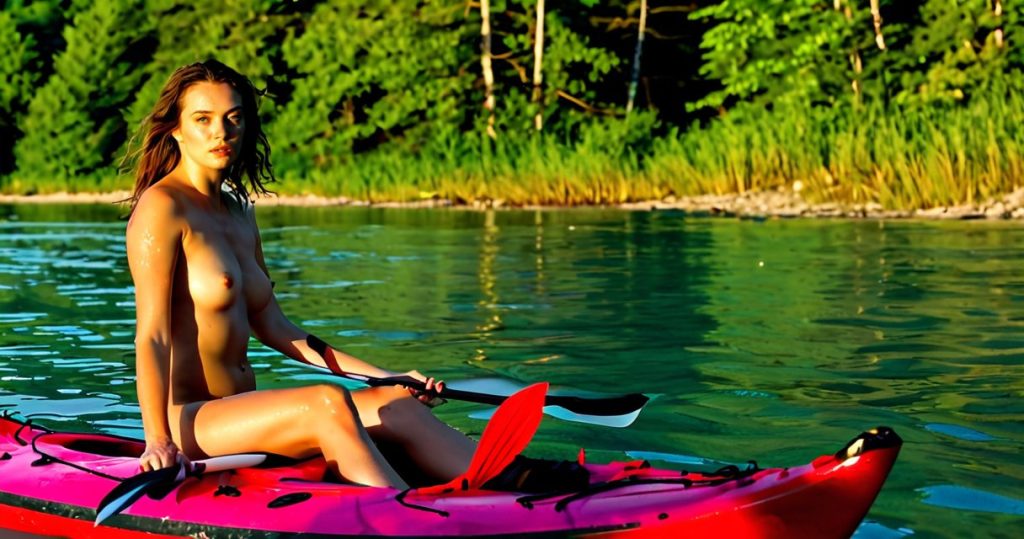
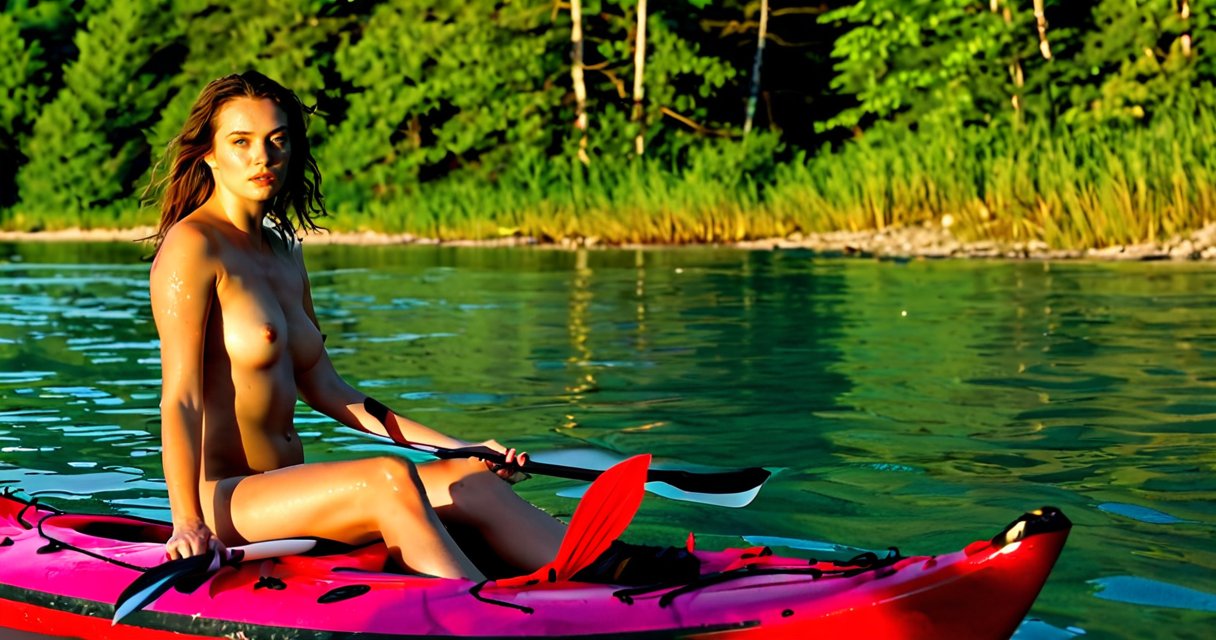
Stripping down for water sports sounds like a spontaneous decision, but it is actually a calculated move that changes your relationship with the environment. You are not merely removing clothes to look attractive on camera; you are eliminating the barrier between your skin and the cold, dynamic elements of wind and water. The sensation of naked kayaking forces you to focus on physical feedback rather than equipment management, creating a heightened state of awareness that seasoned adventurers describe as meditative yet intense. This approach appeals to those who seek genuine adrenaline through sensory overload, not just visual spectacle. To execute this safely and effectively, you need to understand the physiological impacts of hypothermia risk versus the thrill of total immersion.
Selecting a Sheltered Water Body for Privacy
You must scout your location thoroughly before arriving in a state of undress, as public beaches or busy lakes will invite unwanted attention and potential legal issues. Look for secluded coves, private lake access points, or forested rivers where visibility from trails is minimal. A spot with a natural windbreak on one side helps mitigate the chill factor once you exit the water, allowing you to dry off in relative privacy without freezing. Avoid areas with strong currents or deep drop-offs, as your mobility is reduced when you are not wearing protective gear like wetsuits or life jackets that provide buoyancy and insulation.
The temperature of the water is the single most critical variable in this activity, dictating how long you can remain outside the kayak before your core body temperature drops dangerously low. Water conducts heat away from the human body approximately twenty-five times faster than air, so even a mild breeze on your wet skin can lead to rapid cooling. Check local weather forecasts for wind speed and water temperature, aiming for conditions where the water is above sixty degrees Fahrenheit to minimize immediate shock. If the water is colder, you must plan for quick re-entry into the kayak and have a dry, warm shelter nearby to prevent hypothermic complications during your adventure.
Packing Essentials for the Launch
Your gear list needs to be minimal yet strategic, focusing on safety items that do not compromise the aesthetic or physical freedom of being naked. A personal flotation device is non-negotiable, even if you are a strong swimmer, because cold water impairs muscle function and reduces swimming ability significantly. Pack a waterproof dry bag containing a warm towel, a change of clothes, and a high-calorie snack to consume immediately after the session. Include a reliable action camera with a waterproof housing if you intend to capture footage, ensuring the battery is fully charged and the lens is clean before you launch.
Do not bring unnecessary electronics or valuables that could be lost in a capsize, as retrieving items while undressed and cold is difficult and dangerous. Use a secure lashing system to attach your gear to the kayak deck rather than holding onto it, which keeps your hands free for paddling and balancing. Check that your paddle is in good condition with no cracks or loose parts, as equipment failure in remote locations leaves you stranded without support. Every item you bring should serve a specific purpose related to safety, comfort, or documentation of the experience.
Managing Body Heat During Paddling
Once on the water, your primary challenge is maintaining core temperature while engaging in physical activity that generates heat but exposes large surface areas to cold. Paddle at a steady, moderate pace to generate consistent body heat without exhausting yourself too quickly, as shivering from fatigue accelerates heat loss. Focus on rhythmic breathing techniques that help regulate your heart rate and maintain calm, which in turn helps your body conserve energy more efficiently. Avoid stopping frequently to take photos or adjust gear, as each pause allows cold air and water to strip away the thermal layer you have worked to build.
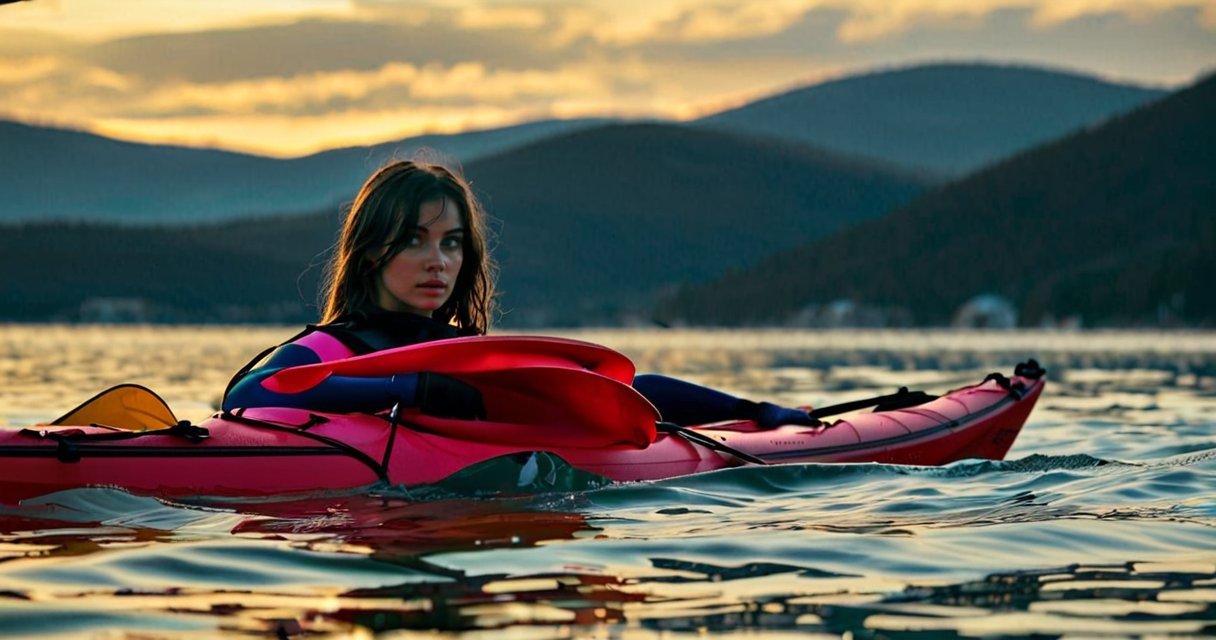
If you begin to shiver uncontrollably or feel numbness in your extremities, you must terminate the session immediately and seek shelter. Shivering is a physiological response that burns calories to generate heat, but it also signals that your body is struggling to maintain homeostasis. Monitor your mental state for confusion or slurred speech, which are early signs of hypothermia that require immediate medical attention if they persist. The thrill of the experience should never override basic survival instincts, and knowing your personal limits is essential for a safe adventure.
Navigating with Minimal Equipment
Steering a kayak without the distraction of managing clothing or bulky gear requires heightened spatial awareness and precise paddle strokes. Use the forward stroke primarily for propulsion and the sweep stroke for turning, adjusting your angle based on wind direction and water current patterns. Keep your eyes on your destination and potential obstacles like rocks, logs, or other boats well in advance, as reaction time is slower when you are focused on maintaining balance while undressed. The lack of external barriers means you must rely entirely on your core strength and paddle technique to navigate through choppy water without capsizing.
Be mindful of your position relative to other watercraft, as you may not have the visibility or presence that a fully dressed paddler commands. Maintain a safe distance from larger boats and give way to traffic when appropriate, using hand signals if necessary to communicate your intentions. The novelty of your appearance might distract other boaters, so avoid sudden maneuvers that could cause confusion or collision risks. Smooth, predictable movements build trust with other users on the water and reduce the likelihood of accidents.
Safely Exiting and Re-Entering the Water
The moment you decide to stop paddling and enter the water for a swim or rest is the most physically demanding part of the trip. Choose a calm, shallow area with a gentle slope into the water to avoid deep diving or sudden immersion shocks. Lower yourself into the water slowly, supporting your weight with the kayak rim until you are fully submerged, to prevent losing balance and falling awkwardly. Once in the water, stay close to the kayak and use it as a platform for rest or re-entry if needed.
Re-entering the kayak from the water while naked requires careful technique to avoid slipping on wet surfaces or losing your balance. Approach the kayak from the side, holding onto the rim with both hands, and swing one leg over the seat while keeping your body low and centered. Use a wide stance for stability before standing up, ensuring your feet are firmly planted on the deck and your weight is evenly distributed. If you feel unstable, sit down immediately and use the paddle to push off the shore or stabilize the boat before attempting to stand again.
Post-Adventure Recovery and Hygiene
Upon returning to shore, your immediate priority is rewarming your body and preventing infection from exposure to natural water sources. Dry off thoroughly with a warm towel, paying special attention to areas that were in direct contact with the kayak or cold water. Change into dry clothes as quickly as possible and consume a warm, sugary beverage to restore blood sugar levels and core temperature. The physical exertion combined with cold exposure creates a significant caloric deficit that must be addressed promptly to aid recovery.

Wash any open cuts or abrasions with clean water and apply antiseptic if available, as natural waters contain bacteria that can lead to infections. Store your gear in a dry bag to prevent mold and mildew growth, especially if you used electronic devices or fabric items. Reflect on the experience by noting what went well and what adjustments you might make for future trips, such as different times of day or water conditions. This reflection helps refine your technique and safety protocols for subsequent adventures.
Legal Considerations and Local Etiquette
Before engaging in this activity, research local laws regarding nudity in public waters, as regulations vary significantly by region and can carry fines or criminal charges. Some jurisdictions allow nudity in designated areas or secluded spots, while others prohibit it entirely regardless of location. Check with local authorities or parks services for specific guidelines to ensure compliance and avoid legal complications. Ignorance of the law is not a defense, so thorough research is essential before you launch.
Respect the privacy and comfort of other users in the area by choosing times of day with low traffic and maintaining a respectful distance from others. Avoid direct eye contact or lingering behavior that might make nearby individuals uncomfortable, focusing instead on your paddling and safety. The goal is to enjoy the experience without causing distress or inconvenience to others, fostering a positive reputation for this type of adventure in the community.

I have spent years exploring the diverse landscape of adult entertainment, always looking for content that prioritizes authentic chemistry and artistic direction. I write about the industry to help others find material that respects both the viewer and the performers. My focus is on quality, inclusivity, and the changing culture of adult media.