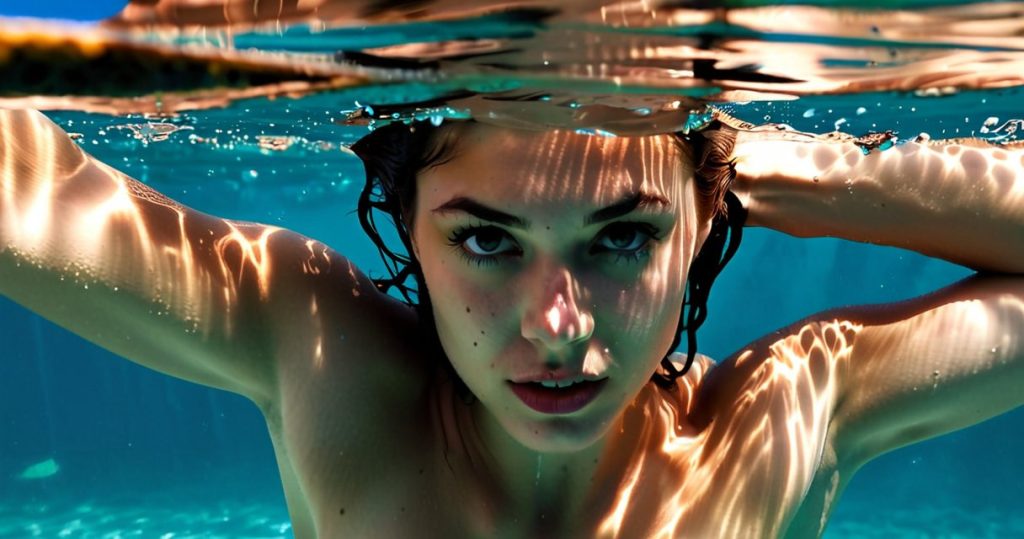
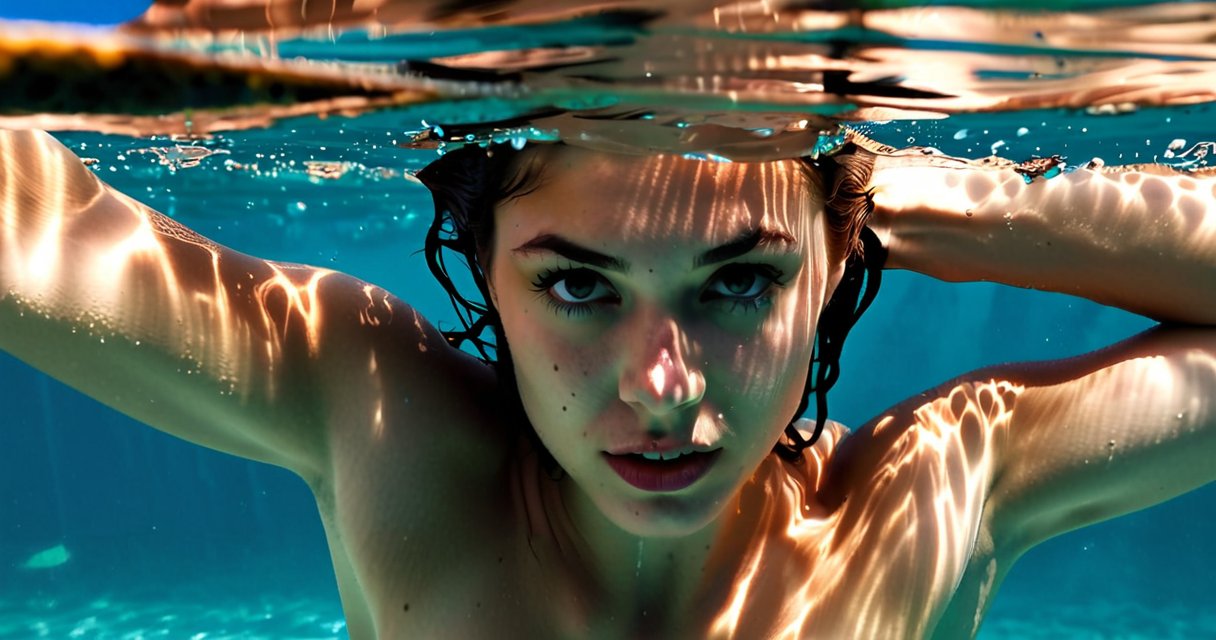
The way water interacts with bodies in intimate scenes isn’t just about technique, it’s about physics, confidence, and the subtle art of making every movement feel effortless. Buoyancy isn’t just a technical detail; it’s the invisible force that shapes how bodies move in water, how they support each other, and how the scene itself feels immersive. Whether you’re shooting in a pool, a lake, or a custom-built water tank, understanding buoyancy means the difference between awkward, floating poses and fluid, sensual movement that looks natural and exciting. The right balance of buoyancy can turn a simple underwater kiss into a breathtaking moment where the water itself feels like an extension of the bodies involved.
The Physics of Buoyancy in Water-Based Scenes
Buoyancy is the upward force exerted by a fluid, like water, that counteracts the weight of an object submerged in it. In the context of water-based scenes, this means that bodies don’t behave like they do on land; instead, they float, drift, and interact with water currents in ways that require intentional control. The key variables here are density, displacement, and surface tension. A person’s body density determines how much of them stays submerged or floats at the surface, while displacement refers to how much water is pushed aside by their body. For example, a person with more muscle mass will displace more water and thus feel heavier in the water, whereas someone with lower density, like a swimmer with streamlined limbs, will glide effortlessly. Surface tension, though less obvious, plays a role in how water clings to skin and hair, creating that sleek, wet look that’s so visually appealing in scenes. Understanding these mechanics helps actors and directors anticipate how bodies will move, how props will behave, and how lighting will interact with water droplets.
In practice, buoyancy affects everything from the way a person’s hips rise naturally when floating to how a towel or a prop like a floatie stays in place. If an actor is holding a prop above water, the buoyancy of the object itself, whether it’s a ring, a toy, or a decorative item, will influence how they position their arms and hands. For instance, a lightweight ring might float upward, requiring the actor to adjust their grip to keep it submerged. Meanwhile, denser objects, like a weighted belt or a small sandbag, will sink and need to be held firmly. Even the way water clings to skin or hair isn’t just about aesthetics; it’s about how buoyancy interacts with the body’s natural buoyancy. A well-placed hand or a gentle push from a partner can make the difference between a scene that looks staged and one that feels organic, as if the water itself is guiding the movement.
How Body Composition Affects Buoyancy in Intimate Scenes
Not all bodies float the same way, and in water-based scenes, body composition can drastically alter the dynamics of movement and interaction. People with higher body fat percentages tend to float more easily because fat is less dense than muscle, meaning they displace more water and stay closer to the surface. This can be useful for scenes where floating or drifting is a central element, but it also means they might need to work harder to submerge themselves or perform actions that require more effort, like pushing off the bottom of a pool. Conversely, leaner or more muscular bodies will sink faster and may require additional buoyancy aids, like flotation devices or weighted belts, to achieve certain poses. For example, a scene where two people are intertwined in the water might require one actor to use a floatie to keep their partner elevated, while the other might need to anchor themselves to avoid sinking.
The distribution of body fat and muscle also plays a role. Someone with more fat around the hips or thighs might naturally float with a slight arch in their back, which can be visually striking in certain poses. On the other hand, a person with more muscle definition in their core might have an easier time maintaining a straight, horizontal position in the water. This is why choreographing water scenes often involves tailoring movements to the actors’ natural buoyancy. For instance, a scene where a person is being lifted or supported by another might require the supporting actor to adjust their grip based on how much their partner’s body resists sinking. Even something as simple as how a person’s hair moves in the water, whether it clings to their face or floats away, can be influenced by their body composition and how buoyancy interacts with their skin and fat distribution.
The Role of Props and Accessories in Buoyancy Control
Props and accessories aren’t just decorative, they’re functional tools that can either enhance or disrupt the natural buoyancy of a scene. A simple floatie, for example, can change the entire dynamic of how two people interact in the water. If one actor is holding onto a floatie, they’ll naturally float higher, which can create a sense of weightlessness and make the scene feel more ethereal. However, if the floatie is too large or unstable, it might make the actor’s movements jerky or unnatural. The same goes for weighted belts or ankle straps, which can help actors sink or adjust their buoyancy to achieve specific poses. For instance, a scene where a person is being pulled underwater might require a weighted belt to ensure they submerge smoothly rather than flailing. Even something as subtle as a towel or a piece of clothing can affect buoyancy, if it’s too heavy, it might drag the actor down, while if it’s too lightweight, it might float away, creating an unintended visual distraction.
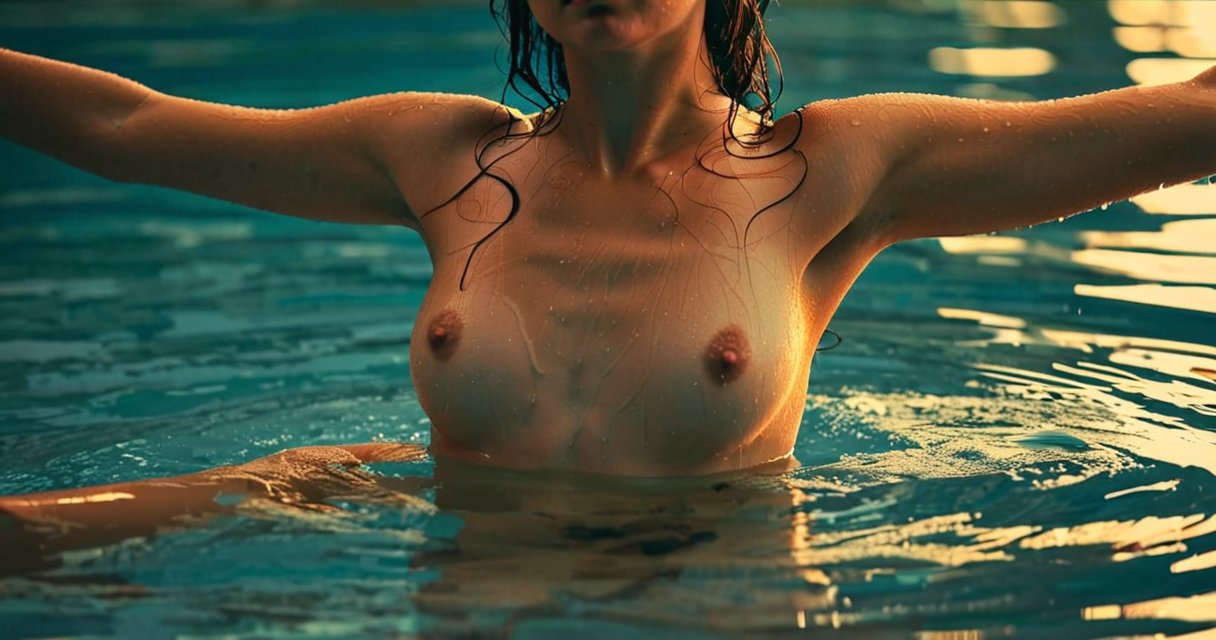
Accessories like rings, toys, or even jewelry can also play a role in buoyancy dynamics. A ring, for example, might float upward if it’s not secured properly, requiring the actor to adjust their hand position to keep it submerged. Similarly, a toy or a prop like a ball might need to be weighted or tethered to avoid drifting away. In scenes where props are central to the action, like a person handing something to another underwater, buoyancy control becomes even more critical. The last thing you want is for a prop to float away mid-scene, breaking the immersion. That’s why directors often work with actors to test how props behave in water before shooting, ensuring that every movement feels intentional and seamless. The right prop can turn a simple interaction into a visually dynamic moment, while the wrong one can make the scene feel clumsy or unnatural.
Lighting and Buoyancy: How Water Reveals Movement
Lighting in water-based scenes isn’t just about creating mood, it’s about highlighting the way buoyancy affects movement and form. Water refracts and scatters light differently than air, which means that the way light interacts with a body in water can reveal buoyancy in ways that aren’t obvious on land. For example, a backlit actor floating just below the surface will cast a soft, glowing silhouette, emphasizing their natural buoyancy and the way their body moves with the water. Meanwhile, side lighting can create dramatic shadows that accentuate the curves of a body as it drifts or sinks. The key is to use lighting to draw attention to the fluidity of movement rather than the mechanics of buoyancy itself. If the lighting is too harsh or directional, it might make the scene feel stiff or unnatural, while softer, diffused light can enhance the sense of weightlessness.
Water also reflects light in unpredictable ways, which can be used to create visual interest in scenes. For instance, if an actor is floating on their back, the light reflecting off their skin and hair can create a shimmering effect that highlights their natural buoyancy. Meanwhile, if they’re sinking or being pulled underwater, the way light scatters through the water can create a dreamy, almost ethereal quality. This is why many water-based scenes use a combination of natural light, like sunlight filtering through the water, and artificial lighting, such as underwater LEDs or strobes, to enhance the visual impact. The goal is to make the water feel like an extension of the bodies involved, rather than just a backdrop. By controlling how light interacts with buoyancy, directors can create scenes that feel both realistic and cinematic, where every movement is as much about the water as it is about the people in it.
Common Buoyancy Mistakes and How to Fix Them
Even the most experienced actors and directors can make buoyancy mistakes in water-based scenes, but many of them are avoidable with the right preparation. One of the most common issues is overcompensating for buoyancy, where actors use too much effort to stay submerged or floating, making their movements look forced. For example, if an actor is trying to hold a pose underwater, they might tense their muscles unnecessarily, which can make their body look rigid rather than relaxed. The solution is to encourage actors to let their bodies move naturally with the water, using minimal effort to maintain their position. This might involve practicing poses in shallow water first to get a feel for how buoyancy works before moving to deeper scenes. Another mistake is ignoring the way props affect buoyancy, such as forgetting to secure a ring or a toy, which can lead to unintended floating or sinking mid-scene. Testing props in water beforehand and adjusting their weight or attachment points can prevent these issues.
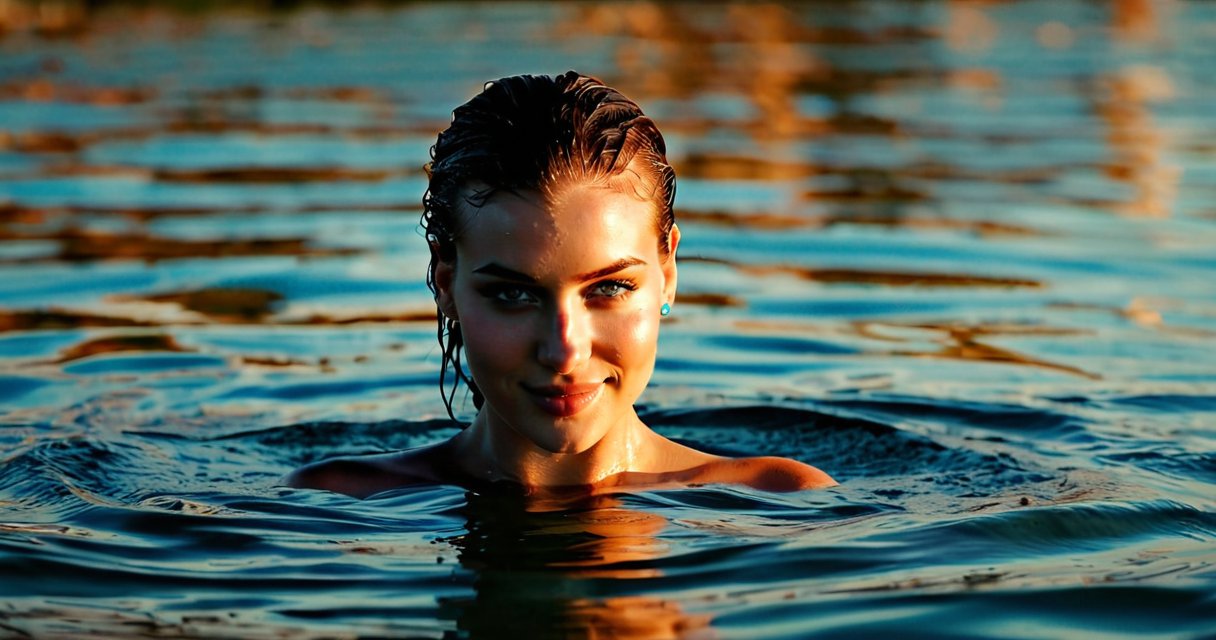
Another frequent problem is misjudging how much of a body will be submerged based on buoyancy alone. For example, a scene where two people are kissing underwater might require one actor to float higher than the other, but if they don’t account for their natural buoyancy, one might end up sinking while the other stays afloat. This can be fixed by using flotation devices or weighted belts to adjust buoyancy levels until the desired pose is achieved. Similarly, scenes where actors are being pulled or lifted by another person might require careful choreography to ensure that the supporting actor isn’t overworking while the supported actor isn’t sinking too quickly. The key is to treat buoyancy as a collaborative element between the actors and the water, rather than something that should be forced or ignored. By anticipating how buoyancy will affect each movement, directors and actors can create scenes that feel effortless and immersive.
Advanced Buoyancy Techniques for Cinematic Water Scenes
For scenes that require more complex buoyancy dynamics, such as underwater chases, slow-motion drifts, or intricate prop interactions, advanced techniques can take the scene to the next level. One such technique is using a combination of flotation devices and weighted belts to create precise buoyancy control. For example, in a scene where an actor is being pulled underwater, a weighted belt can help them submerge smoothly, while a floatie attached to their waist can keep them from sinking too far. This allows for more controlled movements, such as a slow descent or a deliberate rise to the surface. Another advanced technique is using water currents or waves to enhance buoyancy effects. If the scene is shot in a pool with a gentle current or in a natural body of water with waves, the movement of the water itself can create a sense of buoyancy that feels organic rather than staged. For instance, a person floating on their back in a current might drift naturally, creating a dreamy, almost hypnotic effect.
For scenes that require more dramatic buoyancy effects, such as a person being lifted out of the water or a slow-motion fall, directors might use a combination of flotation devices, weighted props, and even hidden cables or pulleys to achieve the desired effect. This is often seen in scenes where a person is being “pulled” by an unseen force, such as a current or an underwater creature. The key is to make the buoyancy feel like a natural part of the scene rather than a forced effect. For example, if a person is being lifted out of the water, the buoyancy of their body and any props they’re holding should be carefully balanced so that the movement feels smooth and intentional. By combining advanced buoyancy techniques with careful choreography, directors can create water scenes that feel both realistic and cinematic, where every movement is a testament to the power of buoyancy.

I have spent years exploring the diverse landscape of adult entertainment, always looking for content that prioritizes authentic chemistry and artistic direction. I write about the industry to help others find material that respects both the viewer and the performers. My focus is on quality, inclusivity, and the changing culture of adult media.