

When it comes to adult entertainment, a clear awareness of body parts can dramatically improve both the performer’s confidence and the viewer’s experience. Every muscle, nerve and gland contributes to the choreography of desire, and neglecting any of them can lead to fatigue or injury. Professionals often treat their bodies like instruments, tuning each component for optimal resonance during a scene. By recognizing how each segment interacts with the other, creators can craft more authentic and engaging content that respects physical limits while delivering intense pleasure. Understanding the anatomy behind the performance is the first step toward sustainable, high‑quality production.
Mapping the Sensory Landscape of Body Parts in Adult Filming
The skin is the largest organ and the primary gateway for tactile stimulation. In a studio setting, lighting and temperature are calibrated to enhance skin sensitivity, allowing subtle touches to translate into visible reactions on camera. Performers learn to differentiate between light brushes and firm pressure, adjusting their responses to maintain authenticity. Moreover, the distribution of sensory receptors varies across the torso, limbs and intimate zones, which influences how each area reacts under different lighting conditions. Mastery of these nuances helps actors convey genuine pleasure without overexertion.
Beyond the surface, the deeper layers of muscle provide support for dynamic movements. Core strength, for example, stabilizes the spine during vigorous activity, reducing the risk of strain. Training regimens that focus on the abdominal and back muscles enable performers to execute complex positions while preserving breath control. This internal support system also contributes to the fluidity of motion, ensuring that each gesture appears effortless and natural on screen.
How Muscles Influence Performance and Wellness
Strong pelvic floor muscles are essential for sustaining rhythmic contractions that are often highlighted in erotic scenes. Regular exercises such as targeted squeezes can increase endurance, allowing performers to maintain intense sequences for longer periods. These muscles also play a role in sexual health, enhancing orgasmic intensity and improving post‑scene recovery. Trainers who specialize in adult entertainment often incorporate plyometric drills to boost explosive power, which translates into more dynamic on‑camera moments.
Upper body strength contributes to the ability to lift, support, or restrain a partner during a scene. Actors who develop shoulder and arm muscles can explore a broader range of positions without compromising safety. This physical preparedness also reduces the likelihood of accidental injuries, fostering a professional environment where creativity thrives alongside well‑being.
Hormonal Hotspots and Their Impact on Pleasure
Endocrine glands such as the adrenal and pituitary release hormones that regulate arousal and stamina. Elevated cortisol levels can diminish desire, while a balanced release of oxytocin and dopamine fuels connection and excitement. Performers often monitor their hormonal health through regular check‑ups, ensuring that stress does not interfere with performance quality. Nutritional strategies that include omega‑3 fatty acids and magnesium support hormone synthesis, contributing to sustained energy during demanding shoots.

The clitoral and penile structures are classic examples of a body part that respond directly to hormonal cues. Sensitivity in these zones fluctuates with the menstrual cycle for women and with testosterone levels for men. Understanding these patterns enables directors to schedule shoots at times when natural responsiveness is heightened, reducing the need for artificial stimulation and preserving authenticity.
Cardiovascular Conditioning for Extended Sessions
Heart health directly influences a performer’s ability to sustain prolonged activity without fatigue. Aerobic exercises such as interval training improve blood flow to the extremities, delivering oxygen and nutrients efficiently. This enhanced circulation also supports quicker recovery between takes, allowing actors to maintain high energy levels throughout a shoot day. Regular cardio routines are therefore a staple in many performers’ wellness plans.
In addition to traditional cardio, breathwork techniques are taught to synchronize respiration with movement. Controlled inhalations and exhalations help regulate heart rate, preventing sudden spikes that could lead to dizziness. Mastery of breathing patterns also contributes to a calm presence on camera, which translates into more convincing performances.
Nervous System Tuning for Intimacy on Camera
The peripheral nervous system governs reflexes and sensation, making it a critical factor in delivering convincing reactions. Sensory training sessions often include nerve stimulation drills that heighten awareness of subtle cues, such as a light touch on the inner wrist or a gentle nibble on the earlobe. By sharpening these responses, performers can convey a wide range of emotions without relying on exaggerated expressions.
Central nervous system regulation is equally important for maintaining focus under the bright lights and loud environment of a set. Techniques like mindfulness meditation are incorporated into daily routines to reduce mental clutter and enhance present‑moment awareness. This mental discipline helps actors stay attuned to their partner’s cues, fostering a seamless exchange that appears natural to the audience.
Skin Sensitivity, Lubrication, and Visual Appeal
Hydration levels affect skin elasticity, which in turn influences the visual texture captured by high‑definition cameras. Performers are encouraged to drink ample water and use skin‑friendly moisturizers to preserve a supple appearance. This attention to skin health not only improves comfort during intimate scenes but also enhances the visual quality of the footage.
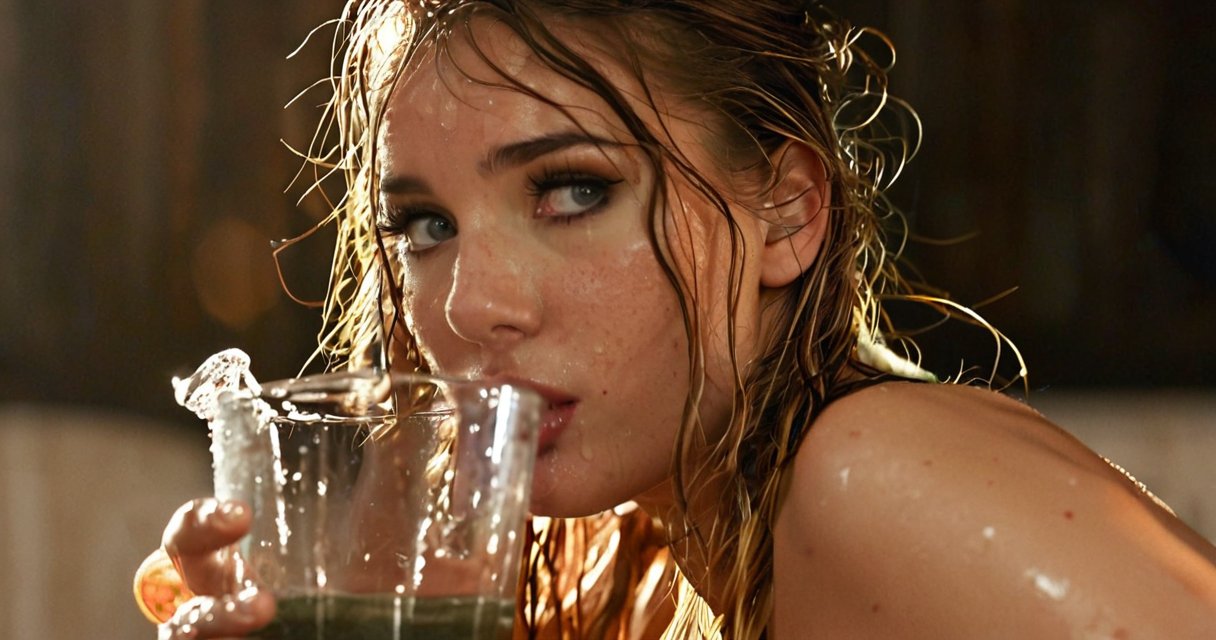
Lubrication plays a practical role in reducing friction and preventing micro‑abrasions. Natural lubricants such as aloe‑based gels are preferred for their skin‑friendly properties, while synthetic options may be selected for specific aesthetic effects. Proper lubrication ensures smooth motion, allowing performers to focus on emotional expression rather than physical discomfort.
Integrating Mind Body Practices into Adult Content Creation
Psychological well‑being is intertwined with physical performance, and many studios incorporate yoga and tai chi to promote flexibility and mental clarity. These practices develop a sense of body ownership, which is essential when navigating complex choreography. By fostering a balanced mind body relationship, actors can deliver authentic intimacy that resonates with viewers.
Finally, ongoing education about anatomy and health equips performers with the knowledge to protect themselves and their colleagues. Workshops led by medical professionals cover topics ranging from injury prevention to sexual health, creating a culture of informed care. This proactive approach not only safeguards individual well‑being but also raises the overall standard of production within the industry.

I have spent years exploring the diverse landscape of adult entertainment, always looking for content that prioritizes authentic chemistry and artistic direction. I write about the industry to help others find material that respects both the viewer and the performers. My focus is on quality, inclusivity, and the changing culture of adult media.